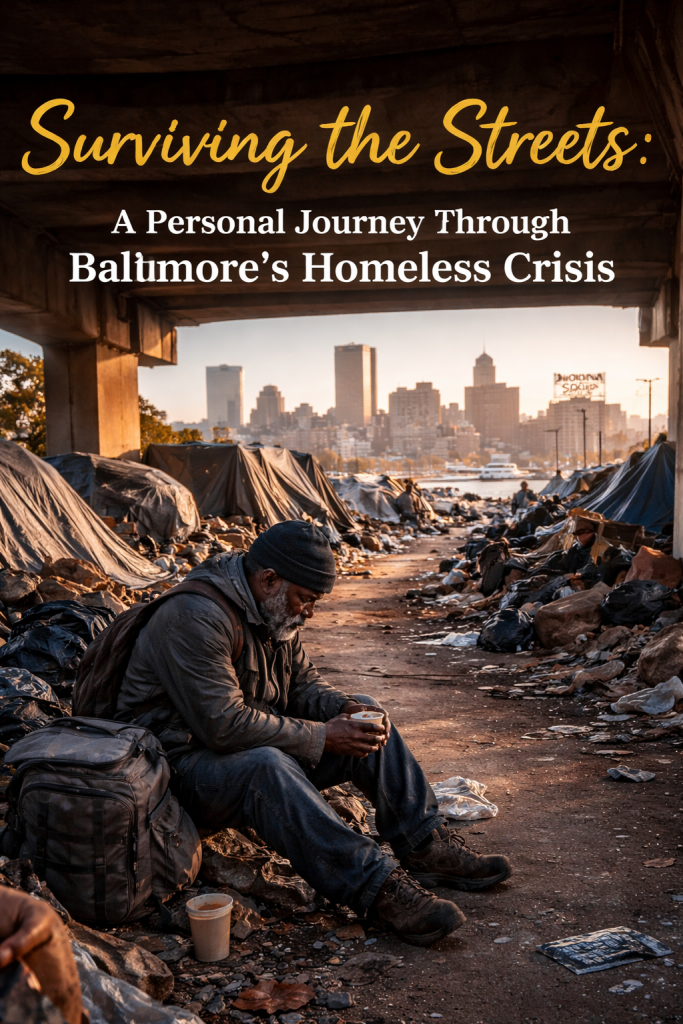
On a cold February morning in Baltimore, I met Marcus*, a man in his late 40s who has been living on the streets for nearly five years. Wrapped in a threadbare coat, he navigated the icy sidewalks with a small cart holding his few belongings. Marcus isn’t just “homeless”—he’s a father, a former factory worker, and someone who once had dreams of stability and security. Life, however, had other plans. A combination of job loss, mounting medical bills, and untreated depression led him to the streets, a place where survival is a daily challenge.
Baltimore’s homelessness isn’t confined to a single profile. Walking through neighborhoods like Sandtown-Winchester or Station North, it becomes clear that those without stable housing come from varied backgrounds: young adults aging out of foster care, veterans like Lisa* who struggle with PTSD, and families like the Williamses*, who lost their apartment after unexpected medical emergencies. Each story is a reminder that homelessness is not a personal failing—it’s often the result of systemic gaps, economic strain, and unforeseen hardships.
Take Lisa, for example. She served in the military for six years and returned home with physical injuries and mental health challenges. Despite her dedication, she found that support systems were limited. “I felt invisible,” she shared, her voice soft but firm. “You fight for your country, and then there’s nowhere to fight for yourself when you get home.” Lisa’s experience highlights how even those who have contributed significantly to society can find themselves without a safety net.
For families, the struggle is both visible and invisible. The Williams family spent weeks bouncing between shelters, church basements, and the homes of friends. Their two young children faced disruptions in school and the instability of moving from place to place. “The hardest part,” Mrs. Williams admitted, “is trying to keep your kids’ lives normal while everything around you feels upside down.” Their story underscores how homelessness isn’t just about lacking a roof—it affects education, health, and emotional well-being, especially for children.
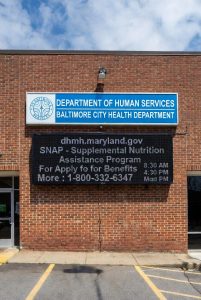
While the challenges are immense, Baltimore is also a city of compassion and resilience. Organizations like the Baltimore Homeless Services, local nonprofits, and faith-based groups provide food, shelter, and counseling. Marcus talks about the day he was connected with a caseworker who helped him access addiction counseling and temporary housing. “It felt like someone finally saw me,” he said. “It wasn’t a handout—it was a hand up.” Programs like Housing First, which prioritize stable housing before tackling other issues, have helped many residents regain control over their lives.
Community volunteers also play a pivotal role. From providing hot meals to offering mentorship and job training, these efforts remind us that change is possible when people come together. But systemic challenges remain. Rising rents, limited affordable housing, and barriers to healthcare make it difficult for residents to regain stability. Breaking the cycle of homelessness requires not only immediate relief but also long-term investments in housing, mental health services, and employment opportunities.
One striking lesson from these stories is the human side of homelessness. These individuals are more than statistics—they are parents, veterans, students, and workers who have faced circumstances beyond their control. Walking alongside them, listening to their stories, and offering support shifts the narrative from pity to empathy and action. Each conversation, each small step toward stability, is a testament to resilience and hope.
Baltimore’s struggle with homelessness is far from over, but the city’s response—through nonprofits, government programs, and community engagement—shows that change is possible. By listening to personal stories, advocating for policy reforms, and investing in comprehensive support systems, we can ensure that residents like Marcus, Lisa, and the Williams family are not left invisible. Homelessness is a complex challenge, but with empathy, collaboration, and strategic action, Baltimore can move closer to a future where everyone has a safe, stable place to call home.